

Linguistic Alignment in Collaborative Dialogue
Studying syntactic and lexical alignment in middle-school pair programming dialogue, and how it relates to partner satisfaction.
- Where
- University of Florida
- With
- Amanda Griffith, Zane Price, Kevin Tang, Kristy Boyer
- Links
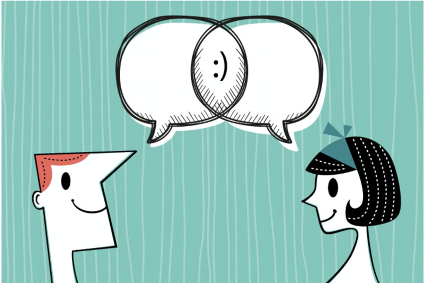
Linguistic alignment — the tendency of speakers to share common linguistic features during conversation — has emerged as a key area of research in computer-supported collaborative learning. While previous studies show that alignment can significantly affect collaborative outcomes, there is limited research exploring its role in K-12 learning contexts.
This study investigates syntactic and lexical alignment in a collaborative computer science learning corpus from 24 pairs (48 individuals) of middle school students aged 11–13. The results show stronger effects of self-alignment than partner-alignment at both syntactic and lexical levels, with students often diverging from their partners on task-relevant words. Student self-alignment at the syntactic level is negatively correlated with partner satisfaction ratings, while self-alignment at the lexical level is positively correlated with it.